
We are Lawyers for Nature (LFN), a collective of lawyers, researchers and campaigners that have come together to work on behalf of Nature.
As seen in







On 11 June 2026 the Supreme Court heard argument in R (Foodrise Ltd) v HM Treasury (UKSC/2025/0119, on appeal from HM Treasury v Global Feedback Ltd [2025] EWCA Civ 624). The question sounds narrowly technical: does a judicial review of tariff regulations fall within Article 9(3) of the Aarhus Convention, so that the claimant obtains environmental costs protection under CPR 46.24? Article 9(3) obliges each Party to ensure that the public can challenge acts and omissions ‘which contravene provisions of its national law relating to the environment’; Article 9(4) requires that such procedures not be prohibitively expensive; and the domestic costs-capping regime is how the United Kingdom performs that obligation. The scope of ‘national law relating to the environment’ therefore sets the price of environmental judicial review. The decision handed down will be the UK’s most significant ruling on access to environmental justice.
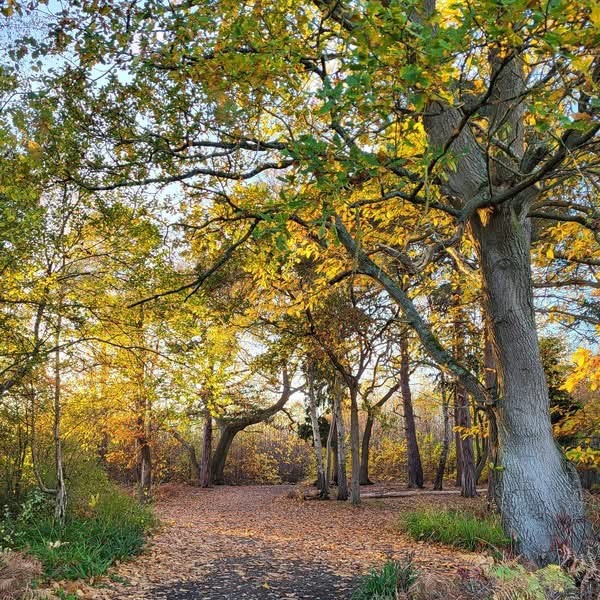
Despite its rarity and ecological value, Oaken Wood is under threat from plans to expand a nearby quarry; plans which, if green-lit, will dig up over 40 hectares of this ancient woodland. This would be greater than the losses from HS2 and the Lower Thames Crossing combined. This blog explores the importance of this decision and the legal arguments Lawyers for Nature made on behalf of the ancient woodland, as part of our Legal Aid for Nature programme.
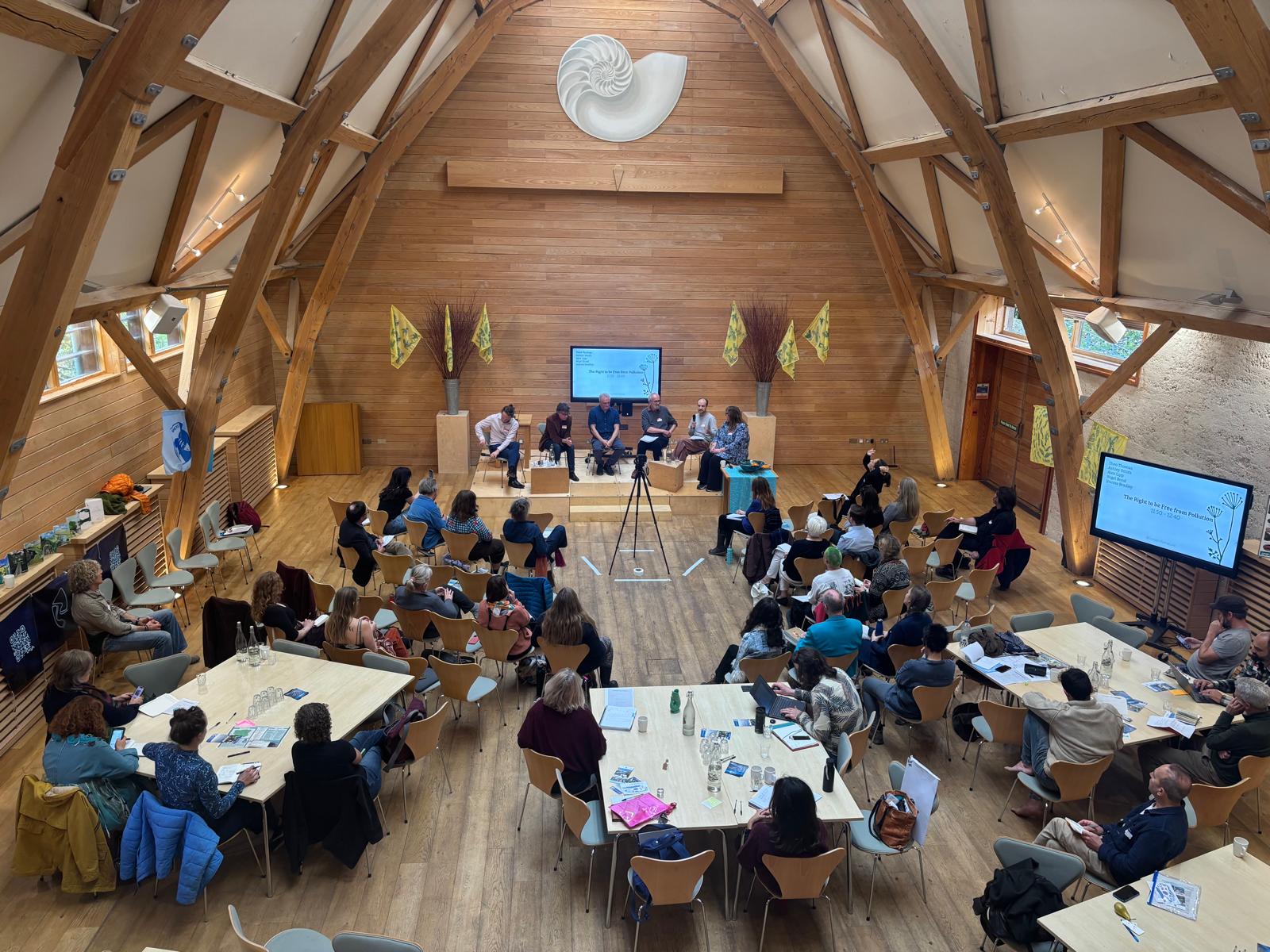
The UK's rivers are in crisis. That much is now widely accepted, and the sewage debate of the past few years has put it firmly in public view. What is less often said is that rivers have no voice at all in the decisions that determine their condition. Those decisions are made in rooms full of professionals, such as regulators, water companies, planners, consultants, all speaking a technical language, in working hours, to each other. It is a serious conversation conducted by serious people, and the river itself is absent from it.